Healthy Meals OMG Nafisa's Kitchen
Raising Desi Kids in the Suburbs? Start With Getting Them to Actually Love the Food
/
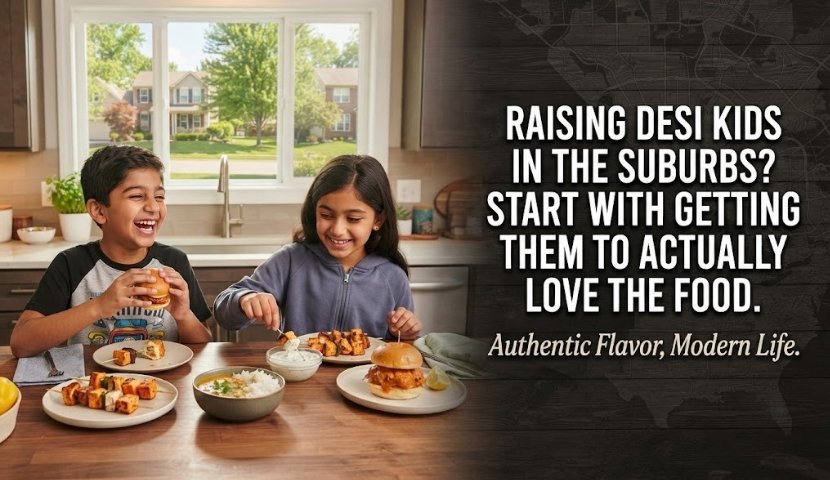
Every desi parent raising kids outside of Pakistan or India has run into the same quiet worry at some point: the language slips first, usually. Then the customs get simplified. And without some kind of anchor, food can start slipping too — kids growing up asking for pizza and nuggets instead of daal chawal, treating biryani as “that spicy rice thing” instead of something they actually crave.
Food is one of the easiest, most effective ways to keep that connection alive, mostly because it doesn’t require a lesson plan — it just requires good food, served often enough that it becomes normal instead of novel. For desi families around Morton Grove, OMG Nafisa’s Kitchen ends up being a pretty useful tool for that, even if that’s not exactly how it markets itself.
Why “Just Ordering In” Can Actually Help, Not Hurt
There’s sometimes a guilt reflex among desi parents around ordering food instead of cooking it — like it’s a shortcut that skips the “real” cultural transmission that’s supposed to happen standing next to Nani in the kitchen. In practice, that’s not really how kids build food identity. What actually matters is repetition and positive association: kids who regularly eat good, real Pakistani-Indian food — whoever cooks it — grow up with a palate for it and a comfort with it, the same way any craving gets built.
A restaurant that’s halal, run by a desi chef, and cooking with real technique rather than a westernized shortcut version is functionally doing the same cultural work a home-cooked meal does, just on a night when nobody has the bandwidth to cook from scratch. The point isn’t who’s holding the spoon — it’s that the kid is eating biryani instead of another round of chicken tenders.
Starting Kids Off Right on the Menu
Some dishes are naturally easier entry points for kids who are still building their spice tolerance and palate:
- Butter Chicken — mild, creamy, and about as close to a “gateway dish” as South Asian cooking gets; most kids take to it immediately.
- Chicken Biryani — familiar enough in format (rice and chicken) that it doesn’t feel intimidating, while still being unmistakably desi.
- Naan — genuinely hard for a kid not to like, and a good way to get them comfortable with bread that isn’t sliced white bread.
- Chicken Pakora — crispy and fried, which is usually an easy sell regardless of spice tolerance.
From there, the spice level and dish variety can grow with the kid, the same way it would at home.
Family Meals as the Actual Ritual
Beyond just the food itself, the ritual around eating matters just as much for kids absorbing culture — the sitting together, the sharing off the same plates, the slower pace compared to a fast-food run. The restaurant’s weekend brunch specials (Saturday and Sunday, 11 AM–3 PM) and Gupshup Hours (weekdays, 4–7 PM) both naturally support that slower, communal style of eating, rather than a quick grab-and-go meal.
For families specifically trying to build a weekly or biweekly “this is our desi food night” habit, those windows are a reasonable structure to build around — regular enough to stick, but not so frequent it becomes a chore.
Halal Certification Makes It Easier to Say Yes
For Muslim desi families raising kids to keep halal from an early age, having a reliably HMS halal certified restaurant nearby removes one more barrier to making desi food a normal, frequent part of a kid’s diet, rather than a special-occasion thing reserved for when Nani visits.