Curry Entrees OMG Nafisa's Kitchen
Karahi vs. Korma vs. Curry: What’s the Difference (and What You’ll Like Best)?
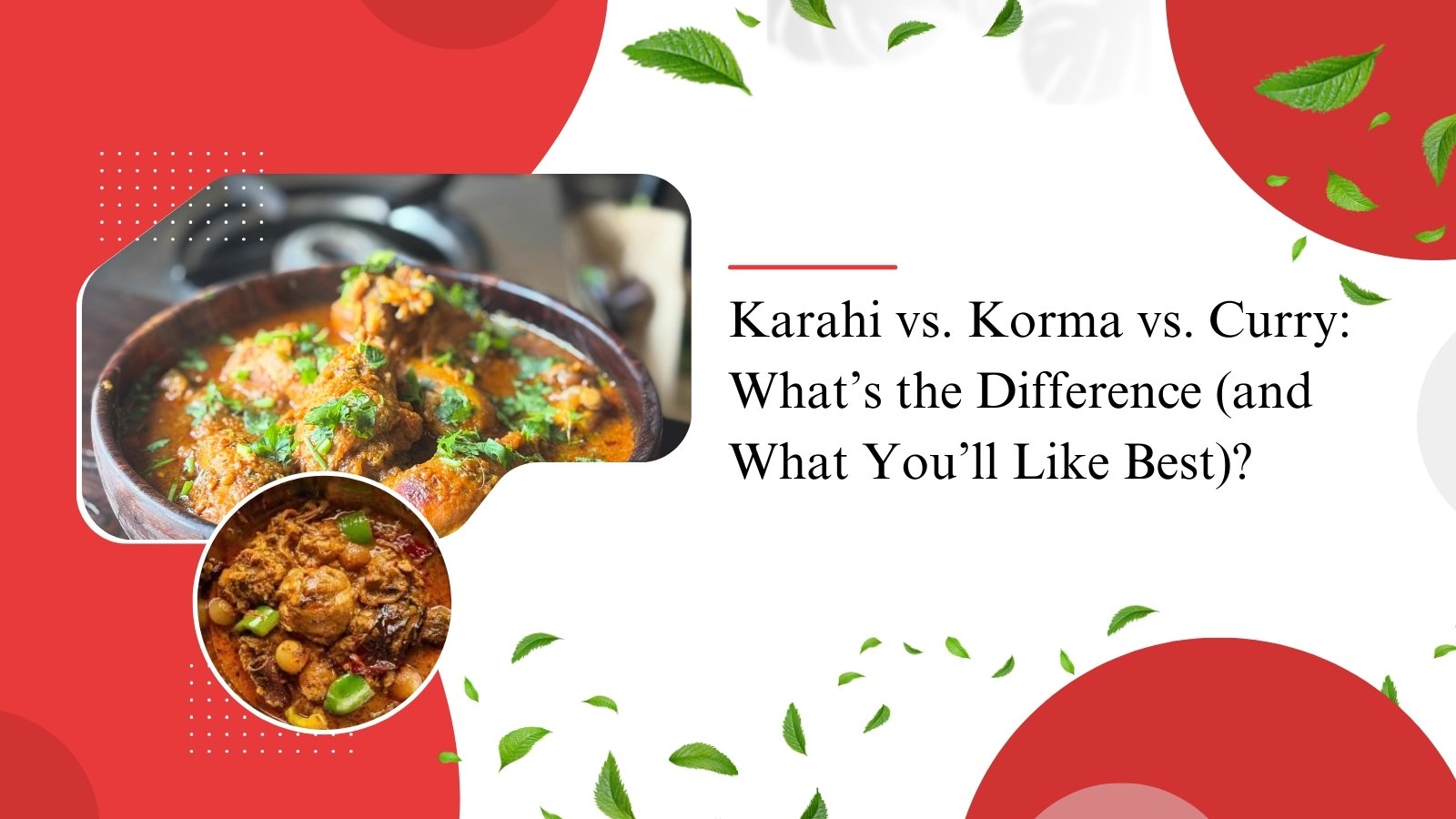
If you’ve ever looked at a South Asian menu and felt unsure about the difference between karahi, korma, and curry, you’re not alone. These words come up often in Pakistani and Indian cooking, but they don’t always come with clear explanations. To someone new, they can all sound like “meat in sauce,” even though they’re actually very different in flavor, texture, and overall experience.
At OMG Nafisa’s Kitchen, guests often ask which one they should order first. The answer depends less on the name and more on what kind of flavors you enjoy. This guide breaks down each style in plain language so you can choose confidently—without guessing.
First, a Helpful Reset: “Curry” Is a Broad Term
In everyday American use, “curry” has become a catch-all word. In South Asian cooking, it’s more of a category than a specific dish. A curry can be creamy or tomato-based, mild or spicy, slow-cooked or quick-simmered.
Karahi and korma are actually types of curries, each with a distinct personality. Understanding that makes the rest much easier.
What Is Karahi?
Karahi (sometimes spelled “korai”) gets its name from the deep, round cooking pan it’s traditionally made in. The cooking method matters here: karahi dishes are usually cooked at higher heat and finished quickly, which gives them a bold, lively flavor.
What karahi tastes like
Karahi dishes tend to be:
- Tomato-forward and savory
- Bold and aromatic
- Less creamy, more robust
- Often finished with fresh ingredients like ginger or herbs
The sauce usually clings to the meat or vegetables rather than feeling thick and smooth. Many people describe karahi as “punchy” or “bright” in flavor.
Who usually loves karahi
Karahi is a good choice if you:
- Enjoy bold, savory dishes
- Like tomato-based sauces
- Want something that feels less rich and more lively
- Don’t mind a little natural heat (though spice level can vary)
Karahi often pairs especially well with bread, since the sauce is thick enough to scoop but not heavy.
What Is Korma?
Korma sits on the opposite end of the spectrum from karahi. It’s known for being rich, smooth, and comforting. Instead of focusing on tomato and sharp spices, korma leans into creaminess and gentle warmth.
What korma tastes like
Korma dishes are usually:
- Creamy and rich
- Mild to medium in heat
- Smooth and comforting
- Slightly nutty or sweet, depending on preparation
The sauce is soft and blended, making it one of the most approachable styles for first-time guests.
Who usually loves korma
Korma is a great fit if you:
- Prefer mild or gentle flavors
- Enjoy creamy sauces
- Are new to Pakistani or Indian food
- Want a “comfort food” experience
Korma pairs beautifully with rice, which helps balance the richness.
What People Mean by “Curry” on the Menu
When a menu lists something simply as a “curry,” it usually means a classic, balanced sauce built from onions, tomatoes, spices, and slow simmering. It often falls somewhere between karahi and korma in intensity.
What curry tastes like
A traditional curry often feels:
- Balanced and familiar
- Savory with gentle warmth
- Not too sharp, not too rich
- Easy to enjoy at mild or medium spice levels
This style is flexible and works well for many tastes.
Who usually loves curry
A standard curry is a safe, satisfying choice if you:
- Want something balanced
- Like familiar “saucy” dishes
- Are ordering for a mixed group
- Want something that works well with both rice and bread
Side-by-Side Comparison
Here’s a simple way to see the differences at a glance:
| Dish style | Sauce style | Flavor focus | Best for people who like |
| Karahi | Thick, tomato-based | Bold, savory, aromatic | Bright, punchy flavors |
| Korma | Creamy, smooth | Mild, rich, comforting | Gentle, creamy dishes |
| Curry | Balanced, saucy | Warm, steady, classic | Familiar, all-around meals |
How to Choose Based on Your Mood (Not Just the Name)
Instead of worrying about the dish name, think about how you want the meal to feel:
- Long day, want comfort: korma
- Craving bold flavor: karahi
- Dining with a group: classic curry
- New to the cuisine: korma or a mild curry
You can also mix styles at the table. Many guests enjoy ordering one creamy dish and one tomato-forward dish, then sharing with rice and bread.
FAQs About Karahi, Korma, and Curry
One common question is whether karahi is always spicy. It doesn’t have to be. Karahi is bold, but the heat level can often be adjusted. The key difference is flavor intensity, not just spice.
People also ask if korma is “too heavy.” While it is rich, it’s meant to be balanced with rice or bread. Many guests find it comforting rather than overwhelming, especially at a moderate portion.
Another frequent question is whether curry is less authentic because it sounds generic. In reality, curry is a traditional style in South Asian cooking. It’s just more flexible and familiar, which is why it’s often recommended for mixed groups or first-time diners.
A Simple Way to Order With Confidence
You don’t need to memorize definitions to enjoy Pakistani food. If you remember just one thing, remember this:
- Karahi = bold and tomato-forward
- Korma = creamy and mild
- Curry = balanced and classic
From there, choose the style that matches your taste and mood. That’s usually enough to get a meal you’ll enjoy.
If you’d like, you can explore OMG Nafisa’s Kitchen’s menu when it’s convenient and use this guide to pick a dish style that fits you best—no guesswork required.