If you’re new to Pakistani food, goat paya might be one of those menu items you notice but aren’t sure about. The name can sound unfamiliar, and it’s not a dish most people grew up eating in the U.S. But for many South Asian families, paya is a true comfort dish—especially on weekends—because it’s slow-cooked, deeply savory, and meant to be enjoyed slowly with bread and conversation.
At OMG Nafisa’s Kitchen, guests often discover paya when they’re ready to try something traditional that goes beyond the usual curry lineup. This guide explains what goat paya is, how it tastes, how people typically eat it, and why it has such a loyal following.
What Is Goat Paya?
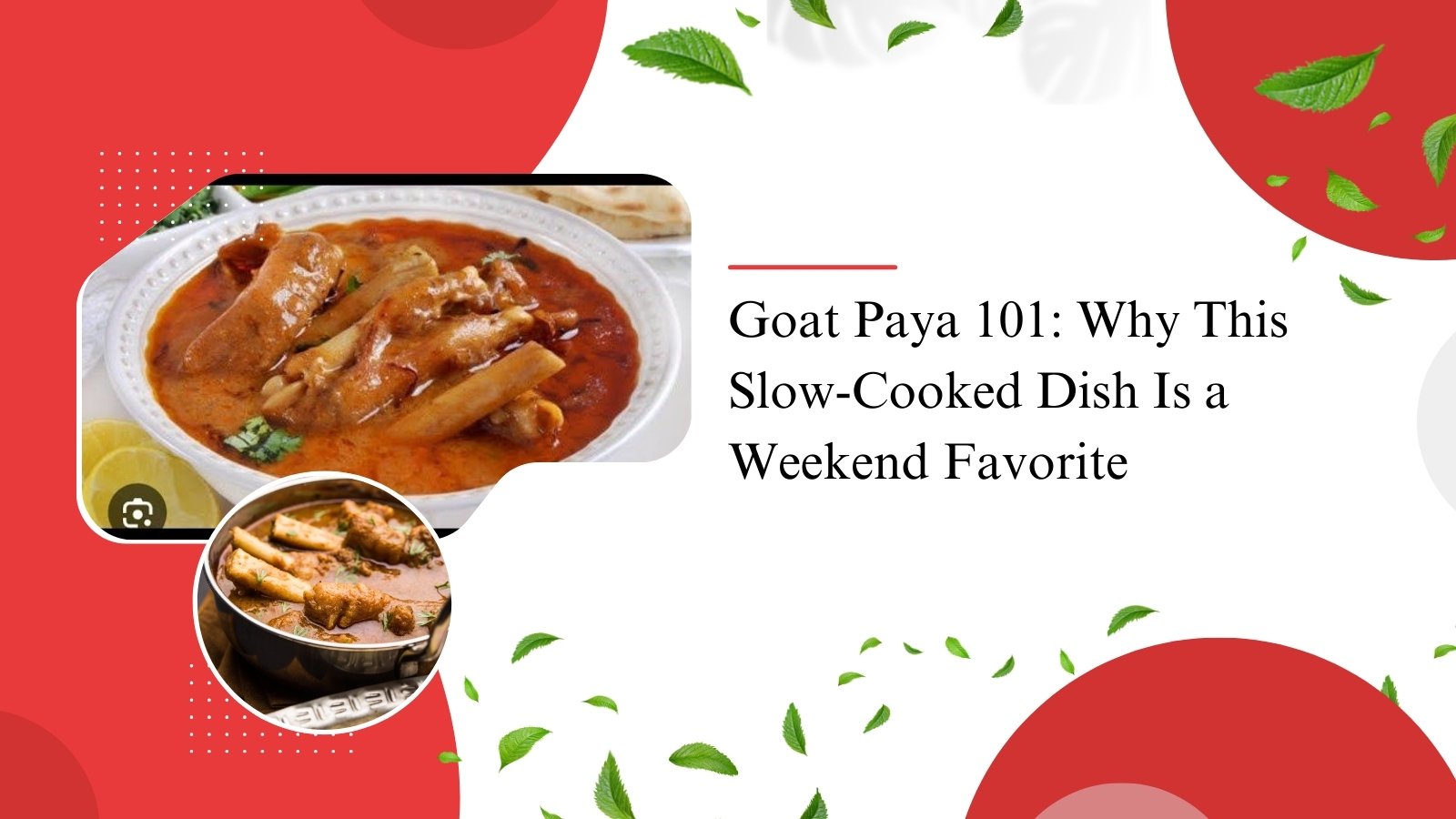
“Paya” refers to trotters (feet)—most commonly goat or lamb—cooked low and slow until the broth becomes rich and flavorful. The long simmering time is the point. It’s not a quick dish, and that’s exactly why people love it.
A simple definition: Goat paya is a slow-cooked stew made by simmering goat trotters with spices until the broth turns deeply savory and naturally rich.
Because it’s cooked for a long time, paya develops a texture and depth that’s different from standard curries. It’s often served as a comforting meal that feels traditional and special.
What Does Goat Paya Taste Like?
Goat paya is known for its deep, meaty flavor and warming spice profile. The spices are usually blended into the broth rather than feeling sharp or separate. It’s not meant to taste “light” or delicate—it’s meant to taste like a slow-cooked stew that had time to become something fuller.
Many first-time diners notice:
- A rich, savory broth that tastes developed and layered
- Warm spices that feel aromatic more than aggressively hot
- A hearty, satisfying mouthfeel that’s different from tomato-forward curries
If you’re sensitive to heat, it helps to remember: “spiced” doesn’t always mean “spicy.” Paya can feel bold in flavor even at a comfortable heat level.
Why Goat Paya Is Often a Weekend Dish
In many households, paya is associated with weekends for a simple reason: it takes time. When a dish requires long cooking, it naturally becomes something people plan for—a meal you enjoy when you’re not rushing.
Weekend foods also tend to be:
- Shared with family or friends
- Served with bread and other sides on the table
- Eaten slowly, sometimes with leftovers saved for later
That weekend tradition is part of paya’s appeal. It feels like “real food” in the most straightforward sense—patient cooking, deep flavor, and a meal that invites you to slow down.
How Goat Paya Is Different From Nihari
If you’ve read about nihari and paya, you might wonder how they differ. Both are slow-cooked and comforting, but the overall experience is not identical.
| Dish | What it is | Texture | What it feels like |
| Goat Paya | Trotter-based slow-cooked stew | Broth-forward, naturally rich | Deep, savory, traditional comfort |
| Nihari | Slow-cooked stew (often meat-based) | Thick, stew-like richness | Cozy, warming, “weekend special” feel |
Both are comfort foods, but paya is often recognized for its unique broth and the way long cooking changes the texture and richness.
The Best Way to Eat Goat Paya
Goat paya is traditionally enjoyed with bread—not because you “have to,” but because bread makes the experience complete.
Bread is the classic pairing
Bread helps you scoop up the broth and build the bite. It also adds balance, turning the stew into a satisfying, steady meal rather than just a bowl of soup-like broth.
Rice can work, too
If you prefer rice, paya can still be enjoyable. Rice tends to soften bold flavors and makes the meal feel like a hearty bowl.
Keep the table simple
Because paya is rich, many people enjoy pairing it with simpler sides. You don’t need to overload the meal for it to feel complete.
Who Usually Loves Goat Paya?
Goat paya is a strong choice if you:
- Love slow-cooked stews and rich broths
- Enjoy traditional comfort foods
- Want something deeply savory and filling
- Prefer meals that feel warm and satisfying
It’s also a good “next step” dish for guests who already enjoy Pakistani curries and want to explore a more traditional weekend-style specialty.
FAQs About Goat Paya at OMG Nafisa’s Kitchen
Many guests ask what makes paya different from a standard curry. The biggest difference is the slow-cooked broth and the way long simmering creates a naturally rich texture and depth. It feels more like a traditional stew than a quick sauce-based curry.
People also ask if goat paya is very spicy. The flavor can be bold and aromatic, but that doesn’t automatically mean high heat. If you’re new to Pakistani food, starting with a comfortable spice level and pairing paya with bread or rice can make the experience feel balanced and easy.
Another common question is whether paya is something only adventurous eaters order. Not necessarily. Many people who love classic comfort foods—stews, braised dishes, slow-cooked soups—end up loving paya because the appeal is familiar: patient cooking and deep flavor, just in a Pakistani style.
A Traditional Dish Worth Taking Your Time With
Goat paya is the kind of dish that rewards a slower pace. It’s rich, warming, and deeply savory—often chosen when you want comfort food that feels traditional and satisfying rather than quick.
If you’d like, you can explore OMG Nafisa’s Kitchen’s menu whenever it’s convenient and try goat paya on a day when you’re in the mood for something slow-cooked and classic.