Curry Entrees Healthy Pakistani Cuisine
What Is Nihari? A Comfort-Food Guide to This Classic Pakistani Stew
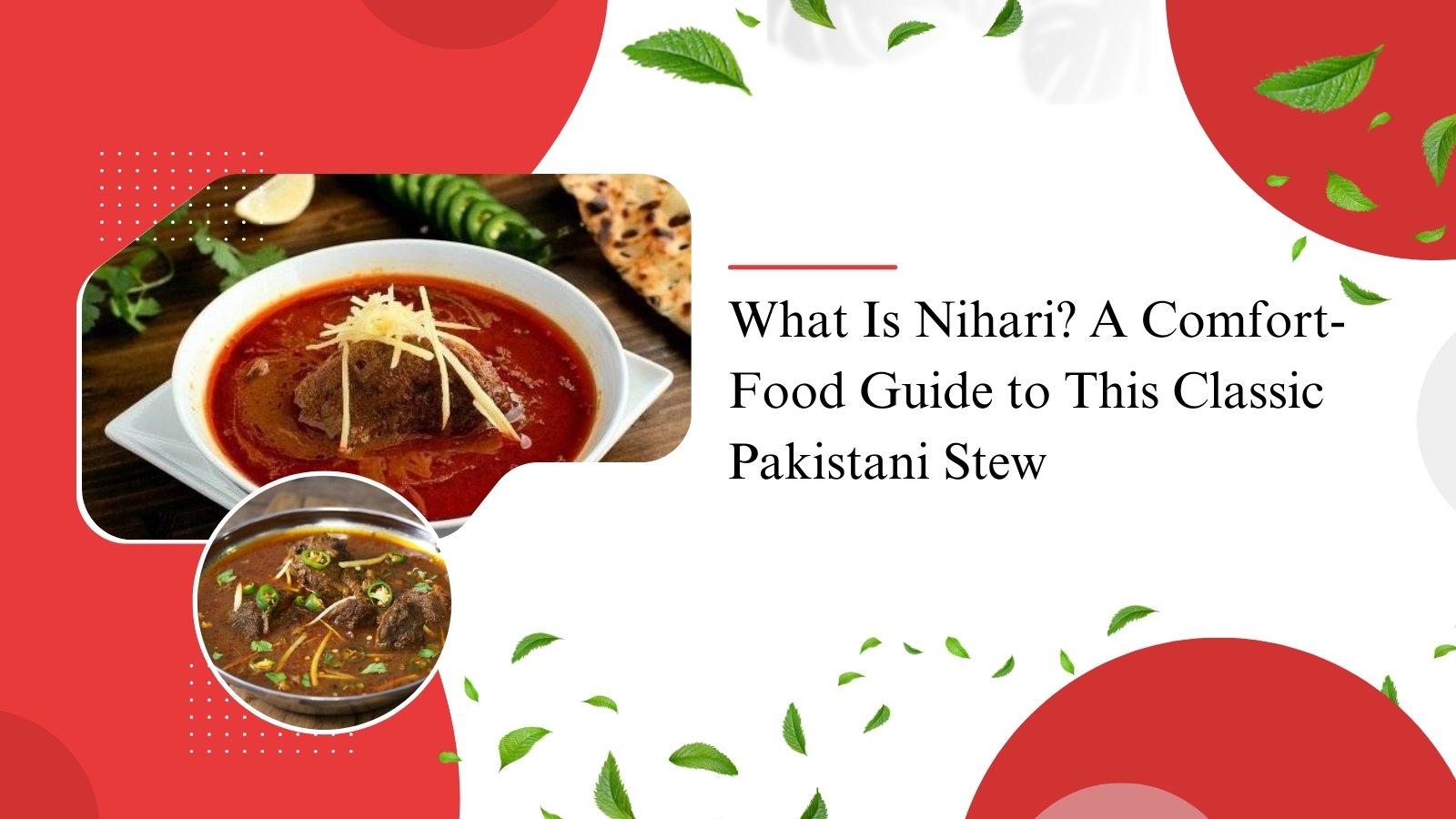
Some dishes are more than dinner. They’re the kind of food people talk about with a little warmth in their voice—because it reminds them of family mornings, special weekends, or the comfort of a slow-cooked meal that can’t be rushed. Nihari is one of those dishes.
If you’re new to Pakistani cuisine, nihari can sound mysterious. It doesn’t fit neatly into the usual “curry” category, and it’s not a grilled dish either. It’s a slow-cooked stew with deep flavor, a rich texture, and a “cozy” feeling that makes sense the moment you take the first bite. At OMG Nafisa’s Kitchen, many guests discover nihari as a signature comfort-food experience—especially when they want something hearty and traditional.
This guide explains what nihari is, how it tastes, how people typically eat it, and who tends to love it most.
What Is Nihari?
Nihari is a slow-cooked Pakistani stew, traditionally made by simmering meat and spices for a long time until the broth becomes rich and flavorful. The word “nihari” is often connected to morning meals, because it has a history as a dish people enjoyed early in the day—especially on weekends or special occasions.
A simple definition: Nihari is a long-simmered meat stew with a richly spiced broth and a thick, comforting texture.
It’s not meant to be light. It’s meant to be satisfying.
What Does Nihari Taste Like?
Nihari has a flavor that feels deep, savory, and warming. It’s not usually “sharp” or “bright” like some tomato-forward dishes. Instead, it’s steady and rich, with spices that feel blended and mature.
Many first-time diners describe nihari as:
- Hearty and comforting
- Aromatic without being overpowering
- Rich and slow-cooked tasting
- Perfect with bread for dipping
The spice profile can be bold, but the flavor is typically built for depth rather than pure heat. If you’re sensitive to spice, you can often enjoy nihari at a milder level while still appreciating the dish’s character.
Why Nihari Is Considered Comfort Food
Nihari is comfort food for the same reason many slow-cooked stews are comfort food: it takes time, and you can taste that time in the final dish.
Slow cooking tends to create:
- A broth that feels “rounded,” not harsh
- Spices that taste integrated, not separate
- A texture that feels cozy and satisfying
- A meal that warms you up from the inside
This is also why nihari is often connected to weekends and family meals. It has that “special but familiar” feel.
How Nihari Is Different From Curry
If you’re trying to decide between a curry and nihari, the best way to think about it is texture and mood.
| Dish type | Texture | Flavor feel | Best for |
| Curry (general) | Saucy, often tomato/onion based | Balanced, flexible | Everyday meals, broad tastes |
| Nihari | Stew-like, rich broth | Deep, slow-cooked warmth | Comfort food cravings, hearty meals |
Nihari often feels more like a stew you’d want when you’re hungry and want something filling—especially in colder weather or on a relaxed day.
The Best Way to Eat Nihari
Nihari is usually enjoyed with bread (for dipping and scooping) and sometimes with a side that adds balance.
Bread is the classic pairing
Bread helps you experience the dish the way many people do at home: scoop, dip, and build the bite. It also makes the meal feel complete and comforting.
Rice can work too
If you prefer rice, nihari can be enjoyed that way as well. Rice softens the intensity of flavor and turns the stew into a hearty bowl-style meal.
Add something fresh or cooling if you want balance
Because nihari is rich, some people enjoy pairing it with something that feels bright or cooling. This helps keep the meal from feeling too heavy, especially if you’re sensitive to richness.
Who Usually Loves Nihari?
Nihari is a great choice if you:
- Love slow-cooked stews or braised dishes
- Want something deeply savory and comforting
- Enjoy bold flavor but not necessarily extreme heat
- Prefer meals that feel hearty and “warming”
It’s also a strong option for guests who want to try a traditional Pakistani dish that isn’t just a familiar curry format.
FAQs About Nihari at OMG Nafisa’s Kitchen
People often ask whether nihari is spicy. Nihari can have a bold spice profile, but it’s typically more about deep warmth than sharp heat. If you’re new to Pakistani food or sensitive to spice, you can usually start with a milder heat level and still enjoy the dish’s richness.
Another common question is whether nihari is only a breakfast dish. Traditionally it has ties to morning meals, but many people enjoy nihari at any time of day. In the U.S., it’s often chosen as a comforting lunch or dinner—especially when you want something filling.
Guests also ask what to order with nihari if it’s their first time. The easiest approach is nihari + bread (or rice) + one simple side. That creates a complete experience without overordering or mixing too many heavy items at once.
A Slow-Cooked Dish That Feels Like Home
Nihari is one of those meals that explains itself once you taste it. It’s rich, slow-cooked, and deeply satisfying—a dish meant to be enjoyed slowly, with bread, conversation, and a little time.
If you’d like, you can explore OMG Nafisa’s Kitchen’s menu when it’s convenient and try nihari when you’re in the mood for true comfort food.